The safe operation of fire-fighting equipment is of great significance for ensuring the safety of public life and property. Therefore, regular fire maintenance work is essential. The following is the safety and fire maintenance operation process of Shengqiming, for reference only.
1、 Overview of Fire Maintenance Operation Process
Fire maintenance should follow the following steps: preparation work, equipment testing, equipment maintenance, site cleaning, and record filing. During the maintenance process, it is necessary to pay attention to safety, meticulousness, rigor, and standardization.
2、 Fire equipment testing and maintenance
1. Preparation work: Firstly, determine the location and type of maintenance equipment, and prepare corresponding testing equipment and tools. Ensure that staff are familiar with equipment operation and maintenance procedures, and wear appropriate protective equipment.
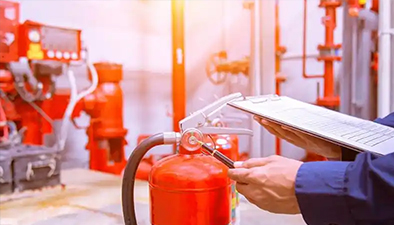
2. Equipment testing: Conduct a comprehensive inspection of fire-fighting equipment through observation, testing, and inspection instruments, including equipment appearance, operating status, functional testing, etc. During the inspection process, attention should be paid to whether the equipment is working properly and whether there are any safety hazards.
3. Equipment maintenance: Carry out corresponding maintenance work based on the equipment detection results. Timely repair or replace faulty equipment, and adjust and lubricate equipment that is not functioning properly. At the same time, it is necessary to maintain the cleanliness and ventilation of the equipment environment.
4. Clean up the site: After completing equipment inspection and maintenance, clean up the site to ensure that there are no tools, parts, or other items left behind. Keep the surface of the equipment clean and tidy.
5. Record archiving: Detailed recording of data and results during the maintenance process, including equipment names, testing items, maintenance measures, etc. And archive the records for future reference and tracking.
3、 Fire maintenance record management
1. Record format: Design corresponding maintenance record forms based on the type and characteristics of fire-fighting equipment. The table should include basic information such as equipment name, testing items, testing results, and maintenance measures.
2. Record content: Fill in the record form truthfully during each maintenance process. For abnormal situations, detailed descriptions and corresponding measures should be taken. Ensure the authenticity and completeness of records.
3. Record retention period: Set different record retention periods based on the importance and characteristics of the equipment. Usually, maintenance records for critical equipment should be kept for a long time for tracking and management purposes.
4、 Emergency response plan
To cope with possible emergencies such as fires, gas leaks, chemical leaks, etc., it is necessary to develop corresponding emergency response plans. Here are some key steps:
1. Develop emergency plans: Develop corresponding emergency plans based on different types of events. The contingency plan should include emergency response procedures, responsible personnel, required resources (such as fire extinguishers, first aid kits, etc.), etc.
2. Training and drills: Regularly provide emergency response training to relevant personnel to improve their ability to respond. At the same time, regular drills should be organized to ensure that personnel can respond quickly and correctly execute emergency plans in emergency situations.
3. Emergency material preparation: To respond to different types of emergencies, prepare corresponding emergency materials such as fire extinguishers, firefighting equipment, protective gear, etc. Ensure that these materials can be quickly put into use in emergency situations.
4. Alarm and notification: When an emergency is detected, the emergency alarm system should be immediately activated to notify relevant personnel to respond quickly. At the same time, report to the higher-level supervisory department and request necessary support and assistance.
5. On site disposal: During the emergency response process, relevant personnel should take corresponding emergency response measures according to the procedures specified in the contingency plan. Ensure the safety of on-site personnel and minimize property damage as much as possible.
6. Post event handling: After the incident is under control, carry out post event handling work, including cleaning up the scene, investigating the cause of the incident, evaluating losses, etc. Summarize experience and lessons learned, evaluate and improve emergency plans.
By developing comprehensive emergency response plans and strictly implementing fire maintenance procedures, the risk of sudden incidents such as fires can be minimized to the greatest extent possible, ensuring the safety of public life and property. Therefore, we must fully attach importance to the importance of fire maintenance work and ensure that all measures are effectively implemented and enforced.